
Top 20 Digital Marketing Tools in 2025: Boost Your Strategy
Whether you’re looking to improve your SEO, manage social media campaigns, or analyze customer behavior, this comprehensive guide breaks down the top 20 digital marketing tools for 2025, organized by category to help you build a powerful marketing stack that meets your specific needs.
Why This Top 20 Digital Marketing Tools Matter?
The digital marketing landscape continues to evolve at a rapid pace. With consumers interacting across multiple touchpoints and platforms, marketers need efficient ways to manage their efforts. Here’s why investing in the right digital marketing tools is crucial:
Efficiency and Automation
Marketing tools automate repetitive tasks like social media posting, email campaigns, and data collection, freeing up your team to focus on strategy and creativity. This automation can save hours of manual work each week while ensuring consistency in your marketing efforts.
Data-Driven Decisions
Modern marketing tools provide valuable analytics that help you understand what’s working and what isn’t. This data allows you to make informed decisions, optimize campaigns in real-time, and allocate your budget more effectively to maximize ROI.
Competitive Advantage
Using the right tools gives you insights into market trends and competitor strategies. This intelligence helps you stay ahead of the curve and identify opportunities before your competition does.
Scalability
As your business grows, digital marketing tools allow you to scale your efforts without proportionally increasing your team size or workload. The best tools grow with your business, accommodating increasing demands and complexity.
How to Choose the Right Digital Marketing Tools
With thousands of marketing tools available, selecting the right ones for your business can be overwhelming. Here are key factors to consider when building your marketing stack:

- Business Goals: Align tool selection with your specific marketing objectives. Different tools excel at different aspects of marketing.
- Budget Constraints: Consider both upfront costs and long-term value. Many tools offer free tiers or trials to test before committing.
- Team Size and Expertise: Choose tools that match your team’s technical capabilities and provide appropriate training resources.
- Integration Capabilities: Ensure new tools work seamlessly with your existing tech stack to avoid data silos.
- Scalability: Select tools that can grow with your business and accommodate increasing demands.
Not Sure Wich tools to chose?
Get our ultimate digital marketing tool recommendations based on your business size, industry, and goals.
Best SEO Tools
Search engine optimization tools help you improve your website’s visibility in search results, analyze competitors, and track keyword performance. These tools provide insights into technical site health, backlink profiles, and content optimization opportunities.
4. Monggols
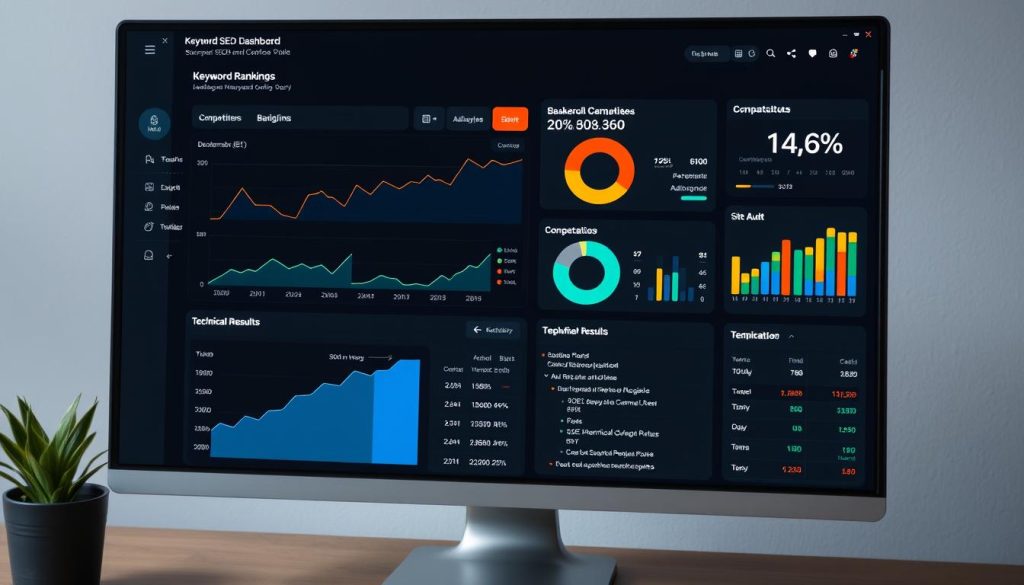
Mongools is a comprehensive SEO toolset that provides in-depth analysis of backlinks, keywords, and competitors. It’s known for its extensive backlink database and powerful competitive intelligence features that help businesses improve their organic search visibility.
- Key Features:
- Extensive backlink analysis with historical data
- Keyword Explorer with advanced filtering options
- Content Gap analysis for identifying opportunities
- Site Audit tool with actionable recommendations
- Rank Tracker with daily updates
Best For: SEO professionals and agencies focused on comprehensive search strategy
Why We Love Mongools
Mongools stands out for its unmatched analysis capabilities and comprehensive competitive intelligence. The platform makes it easy to identify content gaps and keyword opportunities that your competitors are ranking for but you’re not.
The Site Audit feature provides actionable recommendations that even non-technical users can implement to improve search performance.
5. Semrush
Semrush is an all-in-one marketing toolbox that extends beyond SEO to include content, social, and PPC capabilities. It provides comprehensive competitive intelligence and keyword research tools to help businesses improve their online visibility.
- Key Features:
- Keyword research with intent analysis
- Position tracking across multiple search engines
- On-page SEO recommendations
- Competitive intelligence and market analysis
- Content optimization tools
Pricing: Starting at $119.95/month (7-day free trial available)
Best For: Marketing teams needing comprehensive digital marketing research
6. Moz Pro
Moz Pro offers a suite of SEO tools focused on improving search rankings and traffic. Known for its user-friendly interface and educational resources, Moz is particularly valuable for businesses new to SEO.
- Key Features:
- Keyword research with difficulty scores
- Site audits with prioritized recommendations
- Rank tracking with SERP feature analysis
- Link research and opportunity identification
- On-page optimization suggestions
Pricing: Starting at $99/month (30-day free trial available)
Best For: Businesses seeking user-friendly SEO tools with educational resources
| Tool | Standout Feature | Free Version | Starting Price | Best For |
| Ahrefs | Backlink analysis | Limited tools only | $99/month | Comprehensive SEO strategy |
| Semrush | Competitive analysis | Limited searches | $119.95/month | All-in-one marketing research |
| Moz Pro | User-friendly interface | Limited tools | $99/month | SEO beginners and education |
Best Email Marketing Tools
Email marketing remains one of the most effective digital channels, offering impressive ROI when done right. These tools help you build and segment your list, create engaging campaigns, and analyze performance to continuously improve your email strategy.
7. Zagomail
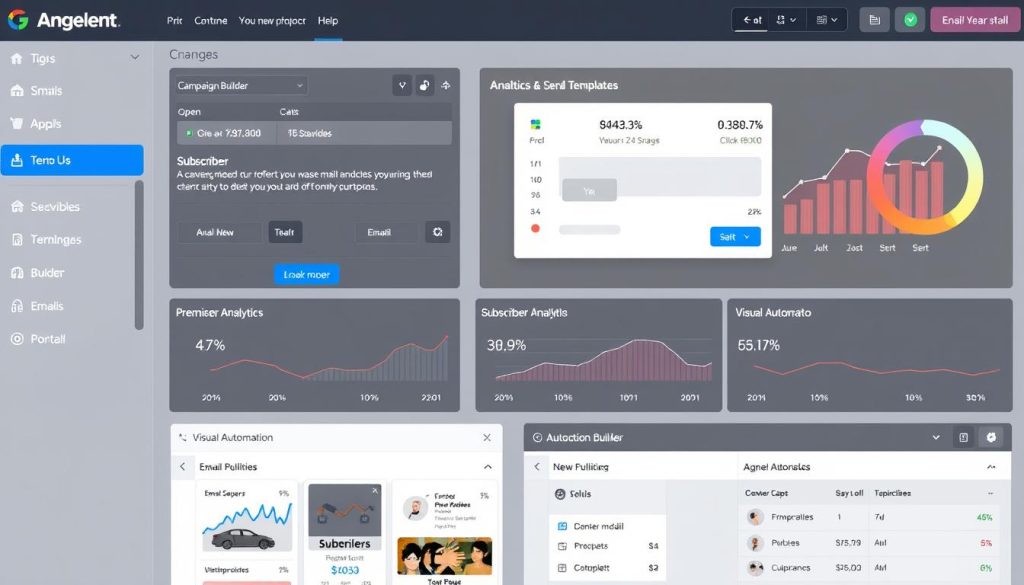
Zagomail has evolved from an email marketing tool into a full-featured marketing platform with enhanced automation and personalization capabilities. Its intuitive interface and comprehensive features make it suitable for businesses of all sizes.
- Key Features:
- Drag-and-drop email builder with templates
- Advanced segmentation and personalization
- Customer journey builder with multi-channel capabilities
- Behavioral targeting based on website activity
- A/B testing and analytics
Best For: Small to medium businesses seeking an all-in-one marketing platform
Why We Love Zagomail
Zagomail’s strength lies in its balance of power and usability. The platform offers sophisticated marketing automation capabilities while maintaining an intuitive interface that doesn’t require technical expertise.
Zagomail is genuinely useful for small businesses just starting with email marketing.
8. GetResponse
GetResponse has evolved into a comprehensive marketing platform with a focus on conversion optimization and marketing automation. Its conversion funnel builder integrates email, landing pages, and e-commerce tools to create seamless customer journeys.
- Key Features:
- Conversion funnel builder with e-commerce integration
- AI-powered email subject line optimizer
- Advanced automation workflows with visual builder
- Webinar hosting capabilities
- Predictive sending for optimal open rates
Pricing: Starting at $19/month (30-day free trial available)
Best For: E-commerce businesses and companies focused on conversion optimization
9. ConvertKit
ConvertKit is designed specifically for creators and digital product sellers. It offers powerful automation capabilities with a simple interface, making it ideal for bloggers, course creators, and content marketers.
- Key Features:
- Visual automation builder
- Customizable opt-in forms
- Tag-based subscriber organization
- Landing page builder
- Creator-focused commerce tools
Pricing: Free plan available (up to 1,000 subscribers); paid plans start at $9/month
Best For: Content creators, bloggers, and digital product sellers
| Tool | Standout Feature | Free Plan | Starting Price | Best For |
| Mailchimp | All-in-one marketing platform | Yes (up to 500 contacts) | $11/month | Small to medium businesses |
| GetResponse | Conversion funnels | Trial only | $19/month | E-commerce businesses |
| ConvertKit | Creator-focused features | Yes (up to 1,000 subscribers) | $9/month | Content creators and bloggers |
Best Analytics and Reporting Tools
Analytics tools transform raw marketing data into meaningful insights that drive strategic decisions. These platforms connect multiple data sources, visualize performance metrics, and identify trends to help you understand customer journeys and optimize your marketing efforts.
10. Ranklytics
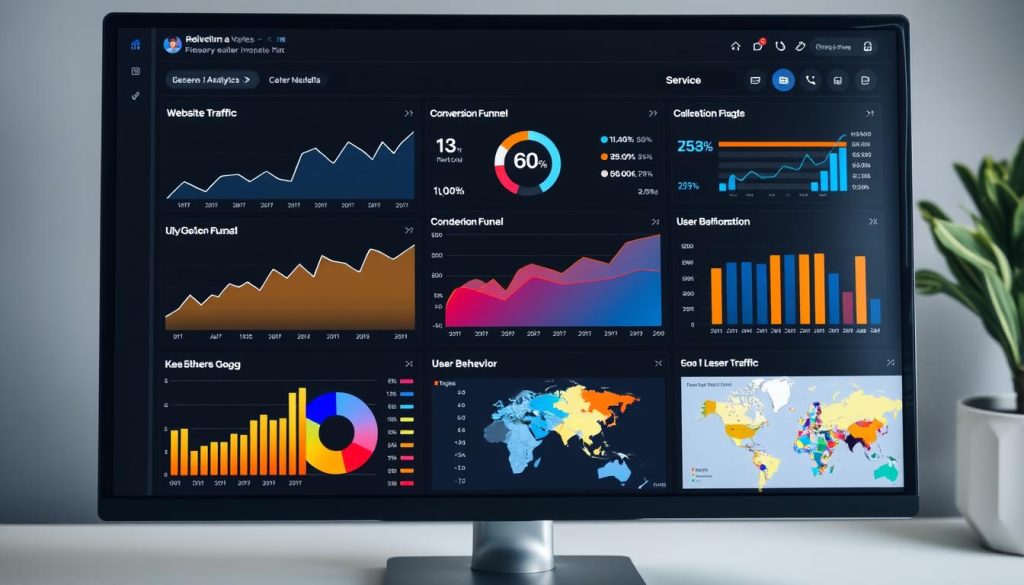
Ranklytics remains the industry standard for website performance tracking. Its latest version offers an event-based model with deeper insights into user interactions across platforms, while AI-powered features automatically surface anomalies and opportunities.
- Key Features:
- Cross-platform analysis (web and mobile)
- Event-based tracking model
- AI-powered insights and predictions
- Enhanced e-commerce reporting
- Custom report builder
Best For: Businesses of all sizes needing comprehensive website analytics
Why We Love Ranklytics
Ranklytics stands out for its comprehensive data collection capabilities and integration with other Google products. The platform provides deep insights into user behavior, allowing marketers to understand exactly how visitors interact with their websites.
11. Hotjar
Hotjar provides visual records of user behavior on your website through heatmaps and session recordings. This qualitative data complements traditional analytics by showing exactly how visitors interact with your pages, helping you identify usability issues and optimization opportunities.
- Key Features:
- Heatmaps showing click, move, and scroll patterns
- Session recordings of actual user interactions
- Conversion funnel analysis
- User feedback tools (surveys and polls)
- Form analysis to identify abandonment issues
Pricing: Free plan available; paid plans start at $32/month
Best For: UX designers and marketers focused on conversion optimization
12. Databox
Databox is a business analytics platform that pulls data from multiple sources into customizable dashboards. It allows you to monitor performance across all your marketing channels in one place, making it easier to track KPIs and identify trends.
- Key Features:
- 500+ integrations with popular marketing tools
- Customizable dashboard builder
- Automated reporting and alerts
- Goal tracking and forecasting
- Mobile app for on-the-go analytics
Pricing: Free plan available; paid plans start at $72/month
Best For: Marketing managers needing consolidated reporting across channels
| Tool | Standout Feature | Free Plan | Starting Price | Best For |
| Google Analytics | Comprehensive website data | Yes (full featured) | Free | All businesses with websites |
| Hotjar | Visual user behavior tracking | Yes (limited) | $32/month | UX optimization |
| Databox | Multi-source dashboards | Yes (limited) | $72/month | Cross-channel reporting |
Best Content Marketing Tools
Content marketing tools help you plan, create, optimize, and distribute engaging content that resonates with your audience. From ideation to publication, these tools streamline your content workflow and ensure your efforts align with your overall marketing strategy.
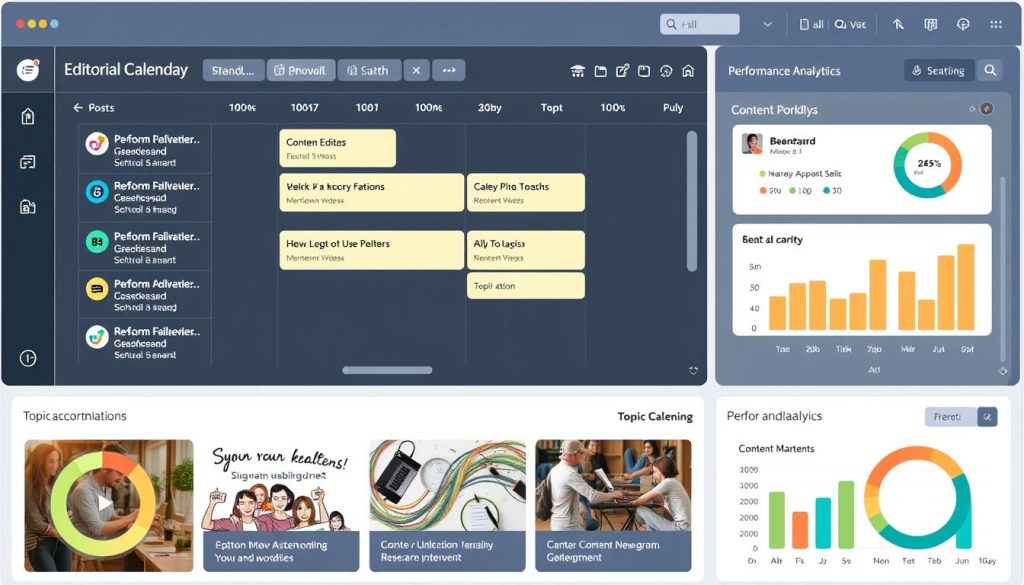
13. NeronWriter
- Key Features:
- Simplify your content creation!
- Generate full articles, extract key facts.
- boost SEO, and create stunning AI-powered images — all in ONE place!
Best For: Optimize your website content and make Google it!
Why We Love NeronWriter?
Unlock your creativity and write like a pro with NeronWriter! Whether you’re penning stories, notes, or ideas, it’s your perfect writing buddy!
14. Jasper
Jasper (formerly Jarvis) is an AI-powered content creation platform that helps marketers generate high-quality copy for various marketing channels. It uses advanced language models to create blog posts, social media content, email campaigns, and more.
- Key Features:
- AI-powered content generation
- 50+ templates for different content types
- Brand voice customization
- SEO mode for optimized content
- Plagiarism checker integration
Pricing: Starting at $49/month
Best For: Content marketers looking to scale production efficiently
15. ContentStudio
ContentStudio is an all-in-one content management platform that combines content discovery, planning, creation, and distribution. It helps marketers streamline their content workflow and maintain a consistent presence across multiple channels.
- Key Features:
- AI-driven content discovery and recommendations
- Social media scheduling and automation
- Content calendar with team collaboration
- Analytics and performance tracking
- WordPress integration for direct publishing
Pricing: Starting at $25/month (14-day free trial available)
Best For: Content marketers managing multiple channels and platforms
| Tool | Standout Feature | Free Plan | Starting Price | Best For |
| Canva | Visual content creation | Yes (robust) | $12.99/month | Visual marketing materials |
| Jasper | AI content generation | Trial only | $49/month | Scaling content production |
| ContentStudio | All-in-one content management | Trial only | $25/month | Multi-channel content strategy |
Best Conversion Optimization Tools
Conversion optimization tools help you identify and implement changes that increase the percentage of visitors who take desired actions on your website. From A/B testing to user behavior analysis, these tools provide insights that drive meaningful improvements in conversion rates.
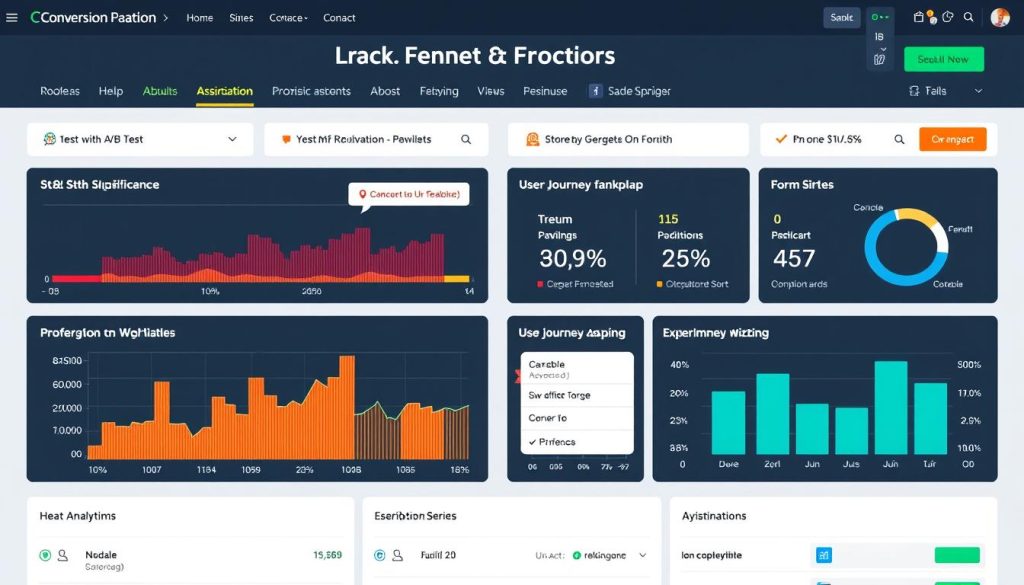
16. Optimizely
Optimizely is a powerful experimentation platform that allows marketers to test different variations of their websites and digital experiences. It provides robust A/B testing capabilities with statistical rigor to help you make data-driven optimization decisions.
- Key Features:
- A/B testing with statistical significance
- Visual editor for creating variations
- Audience targeting and segmentation
- Multi-page funnel testing
- Integration with analytics platforms
Pricing: Custom pricing (free trial available)
Best For: Enterprise businesses with dedicated optimization teams
Why We Love Optimizely
Optimizely stands out for its robust experimentation capabilities and statistical rigor. The platform makes it easy to test hypotheses and implement winning variations, leading to continuous improvement in conversion rates.
The visual editor allows marketers to create test variations without coding knowledge, democratizing the optimization process across teams.
17. Unbounce
Unbounce is a landing page builder with built-in conversion optimization tools. It allows marketers to quickly create, test, and optimize high-converting landing pages without requiring developer resources.
- Key Features:
- Drag-and-drop landing page builder
- A/B testing capabilities
- Smart Traffic for automatic optimization
- Conversion-focused templates
- Popups and sticky bars for lead capture
Pricing: Starting at $90/month (14-day free trial available)
Best For: Marketing teams focused on campaign-specific landing pages
18. Lucky Orange
Lucky Orange provides comprehensive visitor behavior analytics to help you understand how users interact with your website. Its suite of tools includes heatmaps, session recordings, and conversion funnels to identify optimization opportunities.
- Key Features:
- Heatmaps for click, move, and scroll patterns
- Session recordings with visitor information
- Form analytics to identify friction points
- Live chat for real-time visitor engagement
- Conversion funnel analysis
Pricing: Starting at $18/month (7-day free trial available)
Best For: Small to medium businesses focused on improving user experience
| Tool | Standout Feature | Free Plan | Starting Price | Best For |
| Optimizely | Robust experimentation | Trial only | Custom | Enterprise optimization |
| Unbounce | Landing page builder | Trial only | $90/month | Campaign landing pages |
| Lucky Orange | Visitor behavior analytics | Trial only | $18/month | UX optimization |
Best Marketing Automation Tools
Marketing automation tools help you streamline repetitive tasks, nurture leads, and deliver personalized experiences at scale. These platforms connect various marketing channels and trigger actions based on user behavior, allowing you to create seamless customer journeys.
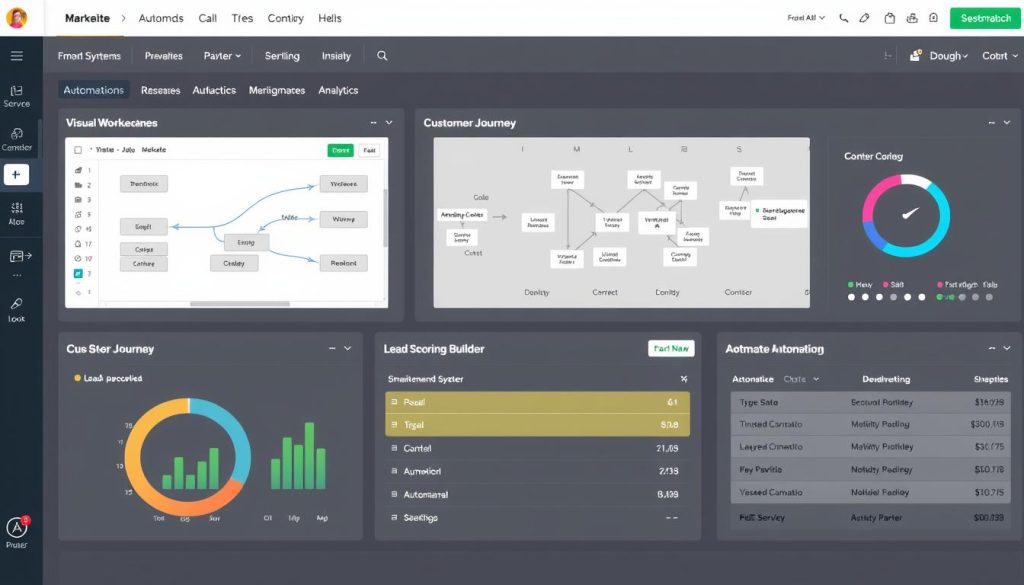
19. go High level
GHL offers a comprehensive marketing automation platform as part of its all-in-one CRM suite. It allows businesses to create sophisticated workflows that nurture leads through the entire customer journey, from awareness to advocacy.
- Key Features:
- Visual workflow builder
- Lead scoring and qualification
- Email marketing automation
- Website personalization
- Integration with sales and service hubs
Best For: Businesses seeking an integrated CRM and marketing automation solution
Why We Love Go high Level?
GHL stands out for its integrated approach to marketing, sales, and service. The platform’s unified database ensures that all customer interactions are captured in one place, enabling truly personalized marketing automation.
The free CRM provides significant value and allows businesses to start small and scale up as their needs grow.
20. Zapier
Zapier is a workflow automation tool that connects over 5,000 apps and services, allowing you to create custom automations without coding. It’s the perfect solution for connecting disparate tools in your marketing stack and automating repetitive tasks.
- Key Features:
- 5,000+ app integrations
- Multi-step Zaps for complex workflows
- Filters and conditional logic
- Formatting options for data transformation
- Error handling and notifications
Pricing: Free plan available (limited tasks); paid plans start at $19.99/month
Best For: Businesses using multiple tools that need to work together
| Tool | Standout Feature | Free Plan | Starting Price | Best For |
| HubSpot | Integrated CRM | Yes (CRM) | $45/month | Comprehensive marketing |
| Zapier | App integrations | Yes (limited) | $19.99/month | Custom workflow automation |
How to Build Your Digital Marketing Tool Stack

Building an effective digital marketing tool stack requires careful consideration of your business needs, goals, and resources. Here’s a strategic approach to selecting the right tools for your organization:
For Small Businesses and Startups
- Focus on essentials: Start with core tools that address your most pressing marketing needs.
- Leverage free plans: Many top tools offer robust free tiers that can serve your needs until you scale.
- Choose all-in-one solutions: Platforms like HubSpot or Mailchimp that combine multiple functions can be more cost-effective than separate tools.
- Prioritize ease of use: Select tools with intuitive interfaces that don’t require extensive training.
For Mid-Sized Businesses
- Audit current tools: Evaluate your existing stack for gaps, overlaps, and integration issues.
- Balance specialization and integration: Choose specialized tools for critical functions while ensuring they work well together.
- Consider scalability: Select tools that can grow with your business and accommodate increasing demands.
- Invest in training: Ensure your team can fully utilize the capabilities of more advanced tools.
For Enterprise Organizations
- Prioritize integration: Ensure seamless data flow between marketing, sales, and customer service platforms.
- Focus on security and compliance: Choose enterprise-grade tools with robust security features and compliance certifications.
- Consider customization options: Look for tools that can be tailored to your specific business processes and requirements.
- Evaluate analytics capabilities: Select tools that provide deep insights and support data-driven decision making.
Pro Tip: Start Small and Expand
Rather than implementing multiple tools simultaneously, start with one tool in each essential category. Master these tools before adding more to your stack. This approach prevents overwhelm and ensures you’re getting maximum value from each investment.
Final Thoughts: Maximizing Your Digital Marketing Tools
The best digital marketing tools are those that align with your specific business goals, integrate well with your existing systems, and provide measurable value. Remember that tools are enablers of your strategy, not replacements for it.
As you implement new tools, focus on proper training and adoption to ensure your team can leverage their full capabilities. Regularly review your tool stack to identify opportunities for optimization and stay current with emerging technologies that could provide competitive advantages.
By thoughtfully selecting and implementing the right digital marketing tools, you’ll be well-positioned to execute more efficient campaigns, gain deeper customer insights, and ultimately drive better business results in 2024 and beyond.
Not Sure Wich tools to chose?
Get our ultimate digital marketing tool recommendations based on your business size, industry, and goals.
Frequently Asked Questions About Digital Marketing Tools
How much should I budget for digital marketing tools?
Most businesses allocate 10-25% of their marketing budget to digital marketing tools. Small businesses can start with free or low-cost options and gradually invest in more advanced solutions as they grow. Focus on tools that provide clear ROI and address your most critical marketing needs first.
Can I use multiple tools from different categories?
Absolutely! Most businesses use a combination of specialized tools across different categories. The key is ensuring they integrate well to maintain data consistency and workflow efficiency. Look for tools with robust API capabilities and pre-built integrations with your existing stack.
How often should I reevaluate my digital marketing tools?
It’s advisable to review your digital marketing stack annually or whenever there are significant changes in your business strategy, target audience, or marketing goals. The digital landscape evolves rapidly, and new tools emerge regularly that might better serve your needs.
What’s the most important factor when choosing digital marketing tools?
Alignment with your specific business goals and marketing strategy is the most important factor. A tool that works brilliantly for one business might be ineffective for another with different objectives. Consider your target audience, marketing channels, team capabilities, and key performance indicators when evaluating tools.
Should I prioritize all-in-one platforms or specialized tools?
This depends on your specific needs and resources. All-in-one platforms offer convenience and integrated data but may not excel in every function. Specialized tools typically provide deeper capabilities in their specific area but require more integration work. Many businesses use a hybrid approach with an all-in-one platform as the foundation, supplemented by specialized tools for critical functions.
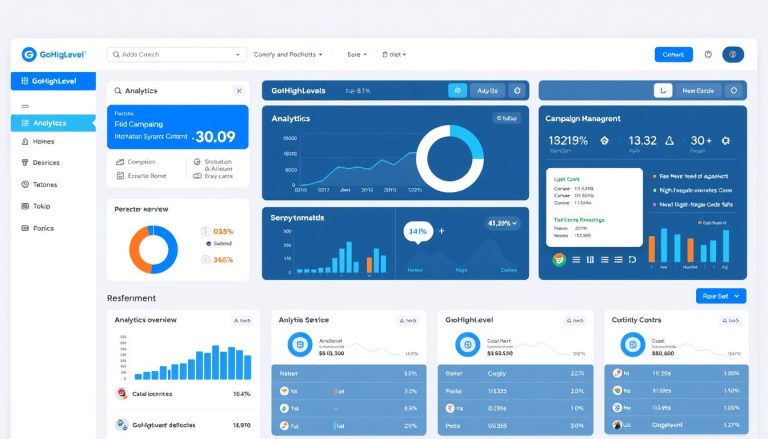

Best Social Media Marketing Tools
Social media marketing tools help you plan, schedule, and analyze content across multiple platforms from a unified dashboard. These tools save time through automation and provide valuable audience insights to optimize your social strategy.
1. Metricool
Metricool is a comprehensive social media management platform that serves as a control center for businesses looking to transform their social presence into measurable results. It combines publishing, engagement, analytics, and listening tools in one intuitive interface.
Best For: Mid-sized to enterprise businesses needing robust social management capabilities
Why We Love Sprout Social
Sprout Social stands out for its comprehensive analytics capabilities that go beyond basic metrics. The platform’s intuitive reporting makes it easy to demonstrate social ROI to stakeholders and identify opportunities for improvement.
The Smart Inbox feature is a game-changer for customer engagement, allowing teams to respond quickly to messages across all platforms from a single dashboard.
2. Hootsuite
Hootsuite is one of the pioneers in social media management, offering a robust platform for scheduling, monitoring, and analyzing social media content. It supports a wide range of social networks and provides team collaboration features.
Pricing: Starting at $99/month (after 30-day free trial)
Best For: Businesses managing multiple social accounts with team collaboration needs
3. Buffer
Buffer offers a streamlined approach to social media management with an intuitive interface that makes it easy to plan and schedule content. It’s known for its simplicity while still providing powerful functionality for content creators and small businesses.
Pricing: Free plan available; paid plans start at $5/month per channel
Best For: Small businesses and content creators seeking simplicity and efficiency
Pros of Social Media Tools
Cons of Social Media Tools