
How AI is Revolutionizing Digital Marketing: Trends, Tools, and Strategies
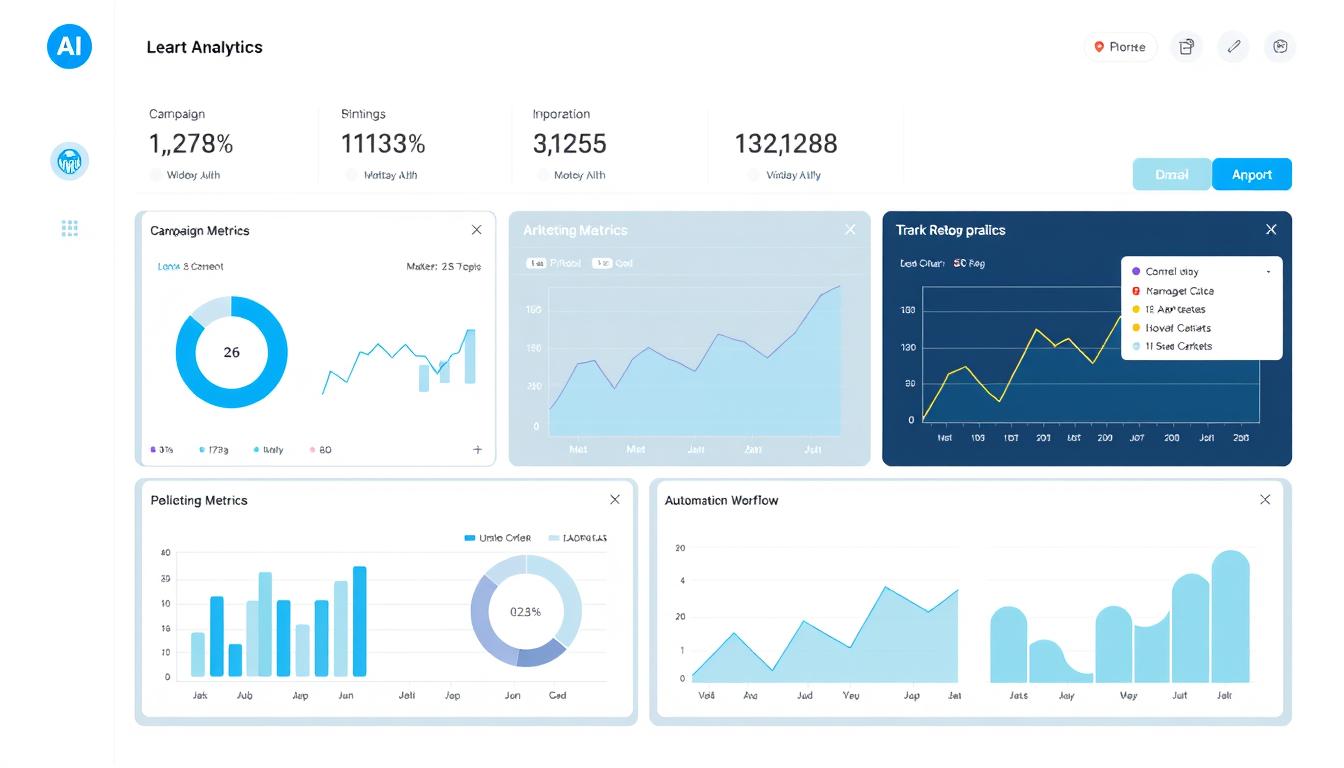
Artificial intelligence is no longer just a buzzword in digital marketing—it’s becoming the backbone of effective strategies across industries. From predictive analytics that anticipate customer needs to AI-powered content creation that scales your efforts, the marketing landscape is undergoing a profound transformation. In this comprehensive guide, we’ll explore how AI digital marketing is reshaping what’s possible, examine practical tools you can implement today, and analyze real-world success stories from brands leveraging this technology effectively.
The Evolving Role of AI in Modern Digital Marketing
Artificial intelligence has evolved from an experimental technology to an essential component of digital marketing strategies. Today’s AI systems can analyze vast amounts of data, identify patterns, and make predictions with remarkable accuracy—capabilities that are transforming how marketers connect with their audiences.
How AI is Transforming Marketing Operations
Data Analysis and Insights
AI excels at processing enormous datasets to extract actionable insights. Machine learning algorithms can identify patterns in customer behavior, campaign performance, and market trends that would be impossible for humans to detect manually. These insights enable marketers to make data-driven decisions with greater confidence and precision.
Personalization at Scale
One of AI’s most powerful applications is delivering personalized experiences to each customer without requiring manual intervention. AI systems analyze individual user behavior, preferences, and history to tailor content, product recommendations, and messaging—creating more relevant experiences that drive engagement and conversions.
Automation of Routine Tasks
AI is increasingly handling time-consuming, repetitive marketing tasks—from scheduling social media posts to optimizing ad bids. This automation frees marketing teams to focus on strategy and creative work while ensuring consistent execution of tactical elements.
Predictive Analytics
Beyond analyzing historical data, AI can forecast future trends and outcomes. Predictive models help marketers anticipate customer needs, identify potential churn risks, and optimize campaign timing for maximum impact.
Key AI Technologies Powering Digital Marketing
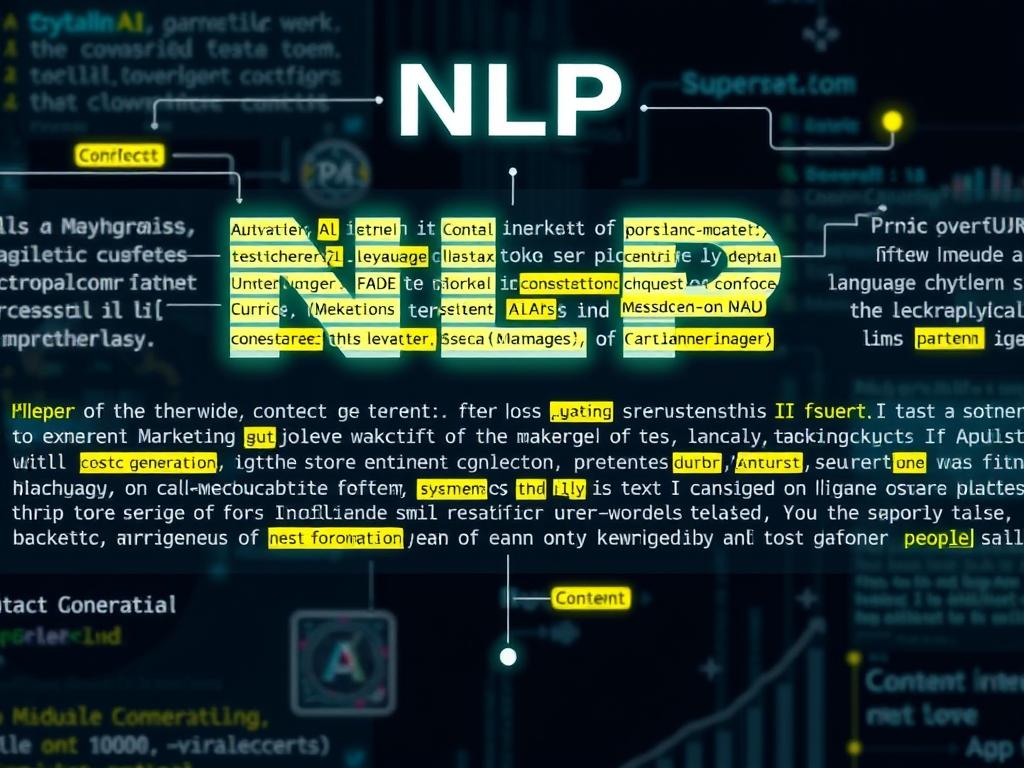
Natural Language Processing (NLP)
NLP enables machines to understand, interpret, and generate human language. In marketing, this powers chatbots, content creation tools, sentiment analysis, and voice search optimization.
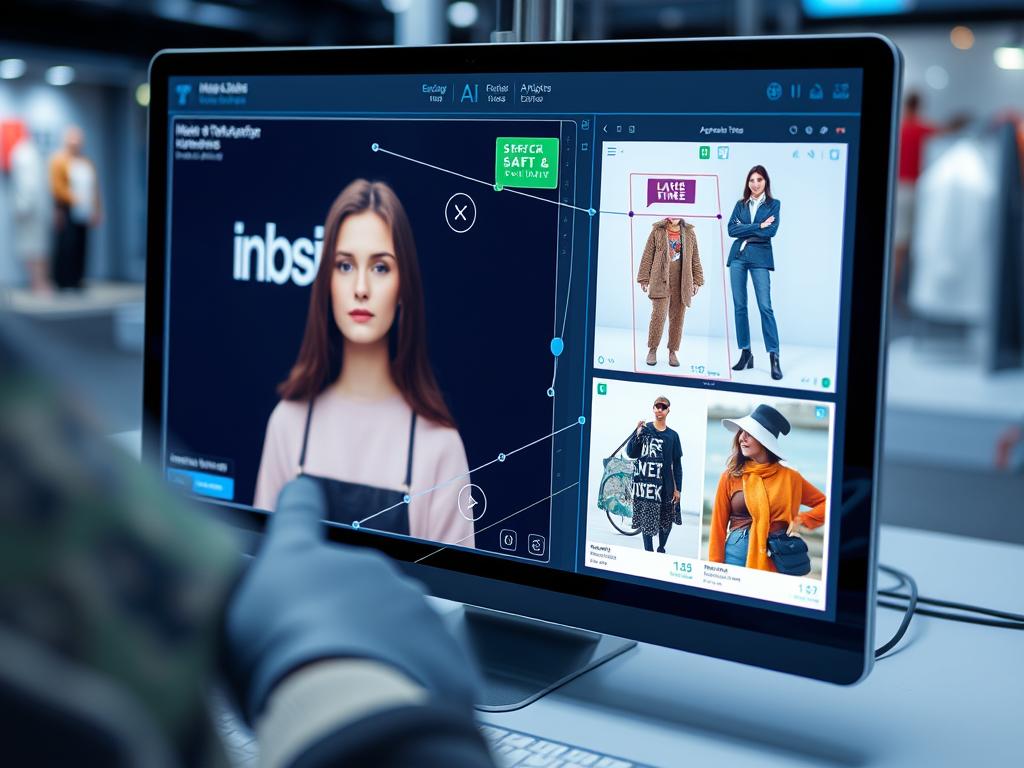
Computer Vision
Computer vision allows AI to interpret and understand visual content. Marketers use this technology for image recognition, visual search capabilities, and analyzing user-generated visual content.
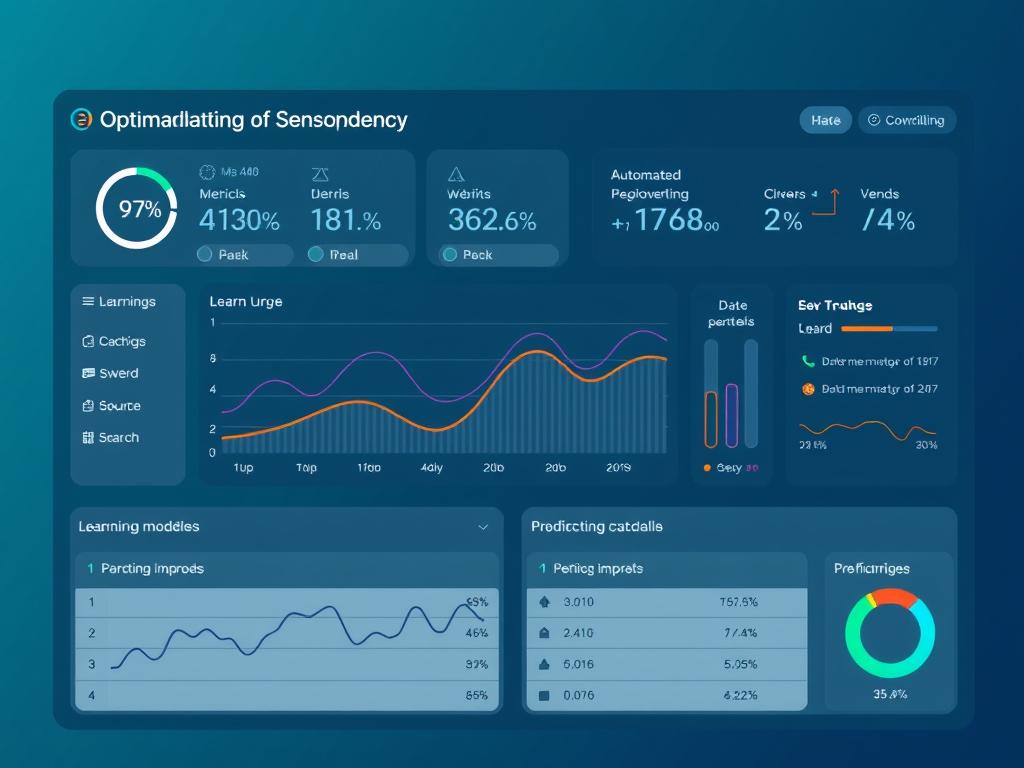
Machine Learning
Machine learning algorithms improve automatically through experience. In marketing, these systems power recommendation engines, predictive analytics, and automated optimization of campaigns.
Master AI-Powered Marketing
Get our comprehensive guide to implementing AI in your marketing strategy. Learn step-by-step approaches to selecting the right tools and measuring ROI.
6 Actionable AI Tools for Modern Marketers
The AI marketing landscape offers a wealth of tools to enhance your marketing efforts. Here are six powerful, practical AI solutions that can transform your marketing operations today:
1. Jasper AI
Content Creation
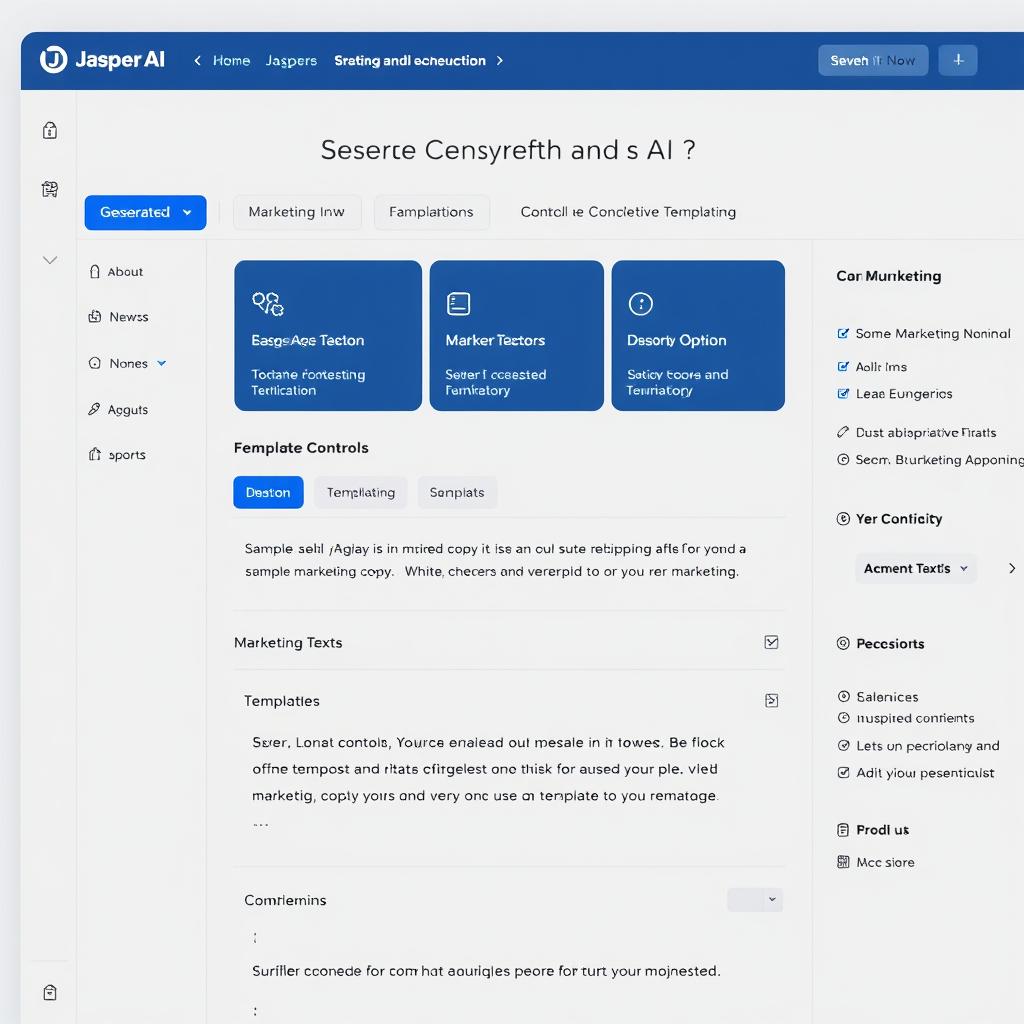
Jasper AI helps marketers create high-quality content at scale. Using advanced natural language processing, it can generate blog posts, social media content, ad copy, and email campaigns that align with your brand voice.
Key features:
- 50+ content templates for different marketing needs
- Brand voice customization and consistency
- SEO optimization integration
- Multilingual content generation
2. HubSpot AI
Marketing Automation
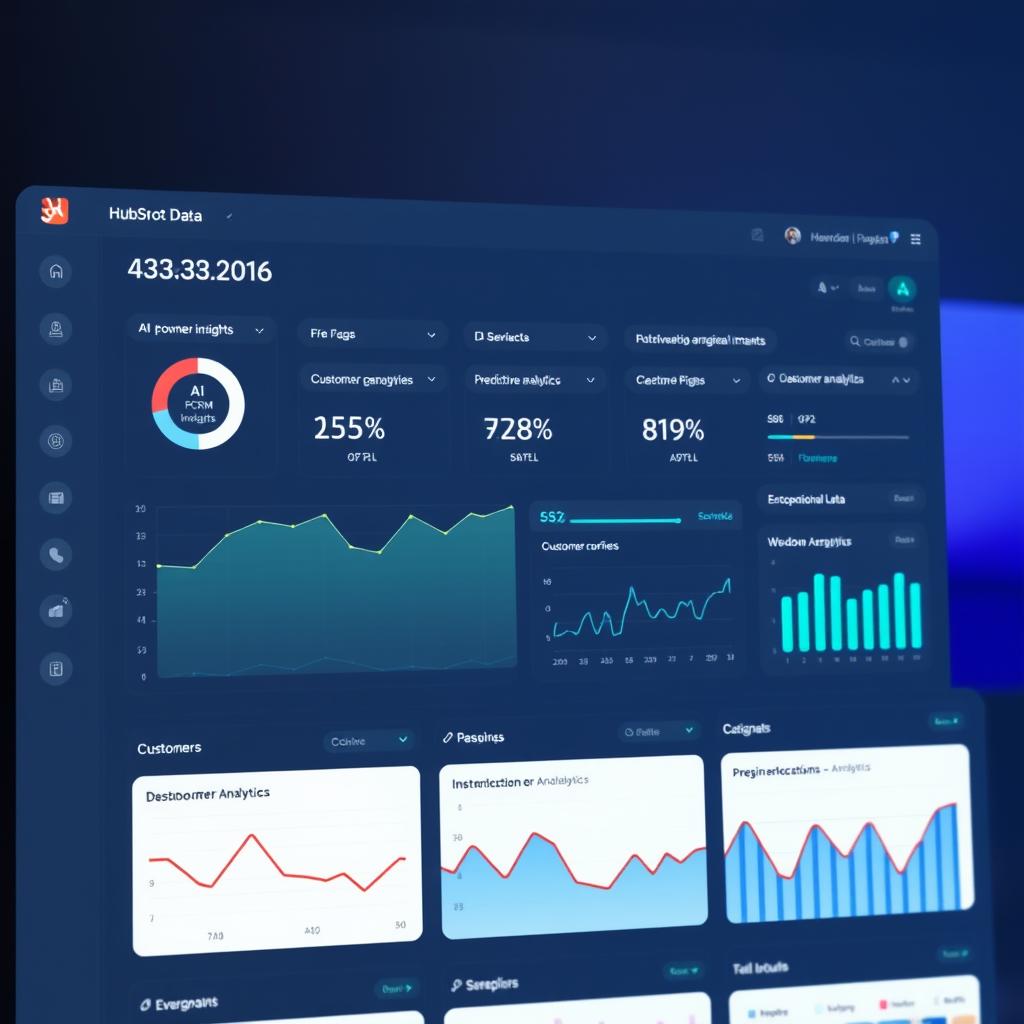
HubSpot’s AI capabilities enhance its marketing, sales, and service platform. The AI features help analyze customer data, automate personalization, and optimize campaign performance.
Key features:
- AI-powered content assistant for blogs and emails
- Predictive lead scoring
- Conversational intelligence for sales calls
- Automated campaign optimization
3. Surfer SEO
SEO Optimization
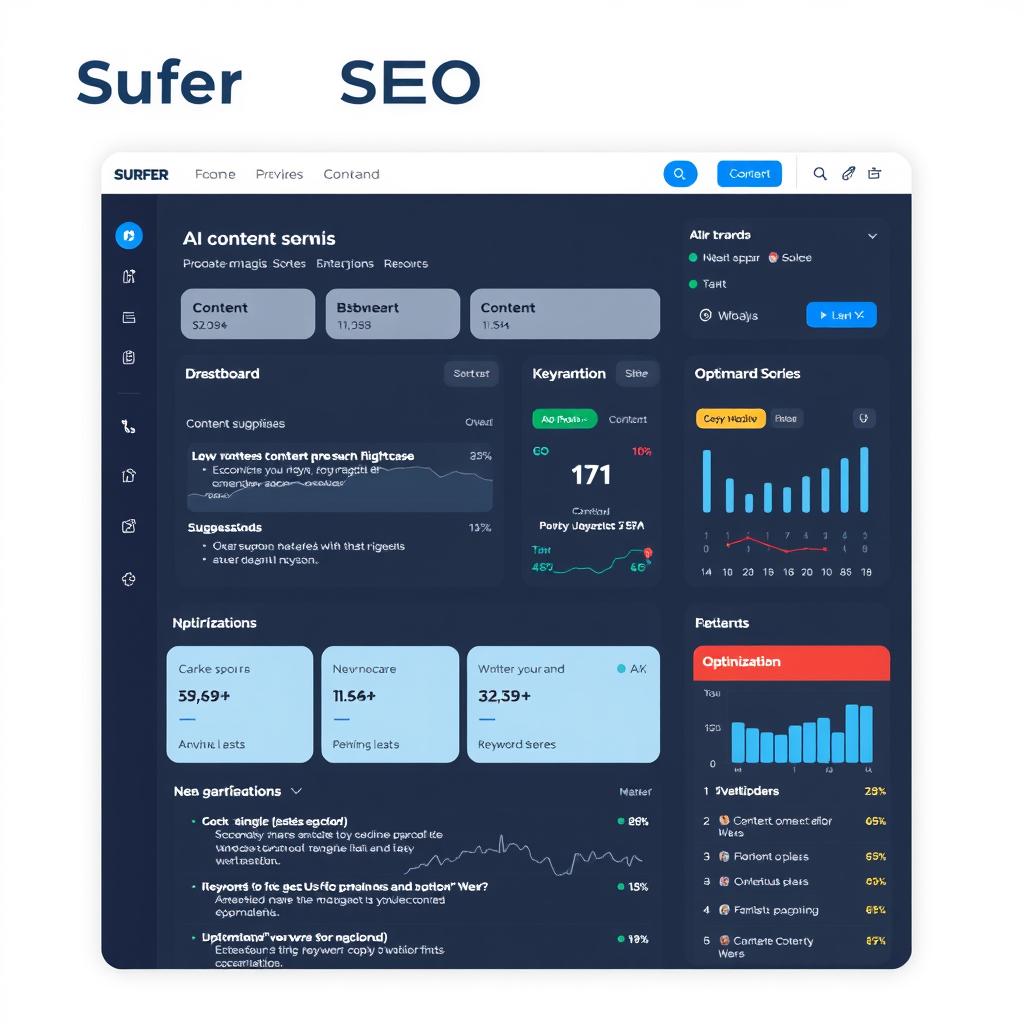
Surfer SEO uses AI to analyze top-ranking content and provide data-driven recommendations for optimizing your own content for search engines.
Key features:
- AI-powered content editor with real-time optimization
- Competitor analysis and benchmarking
- Content planning and keyword research
- SERP analyzer for understanding ranking factors

4. ChatGPT (OpenAI)
Versatile AI Assistant
ChatGPT serves as a versatile AI assistant for marketers, helping with content ideation, copywriting, research, and problem-solving through natural language interaction.
Key features:
- Natural language generation for various content types
- Research assistance and information synthesis
- Creative ideation and brainstorming
- Content editing and refinement

5. Midjourney
Visual Content
Midjourney is an AI image generation tool that creates stunning visuals based on text prompts, enabling marketers to produce unique imagery for campaigns, social media, and content marketing.
Key features:
- High-quality image generation from text descriptions
- Style customization and brand alignment
- Rapid iteration of visual concepts
- Unique imagery for differentiated marketing

6. Drift
Conversational Marketing
Drift’s AI-powered chatbots engage website visitors in real-time conversations, qualifying leads, answering questions, and scheduling meetings with your sales team.
Key features:
- AI chatbots that understand natural language
- Automated lead qualification and routing
- Meeting scheduling and calendar integration
- Personalized conversation paths based on visitor behavior
Comparing AI Marketing Tools
| Tool | Primary Function | Best For | Pricing Model | Learning Curve |
| Jasper AI | Content Creation | Blog posts, social media, ad copy | Subscription (starts at $49/mo) | Moderate |
| HubSpot AI | Marketing Automation | Comprehensive marketing operations | Platform subscription + AI add-on | Steep |
| Surfer SEO | SEO Optimization | Content optimization for search | Subscription (starts at $69/mo) | Moderate |
| ChatGPT | Versatile AI Assistant | Content ideation, research, copywriting | Free / Premium ($20/mo) | Low |
| Midjourney | Visual Content | Custom imagery for campaigns | Subscription (starts at $10/mo) | Moderate |
| Drift | Conversational Marketing | Lead generation, customer support | Custom pricing | Moderate |
Find the Right AI Tools for Your Strategy
Our AI Tool Selection Framework helps you identify which AI solutions will deliver the best ROI for your specific marketing goals.
3 Real-World Case Studies: AI Marketing Success Stories
Understanding how leading brands implement AI in their marketing strategies provides valuable insights for your own implementation. Here are three compelling examples of AI digital marketing in action:
Case Study 1: Netflix’s AI-Powered Personalization Engine
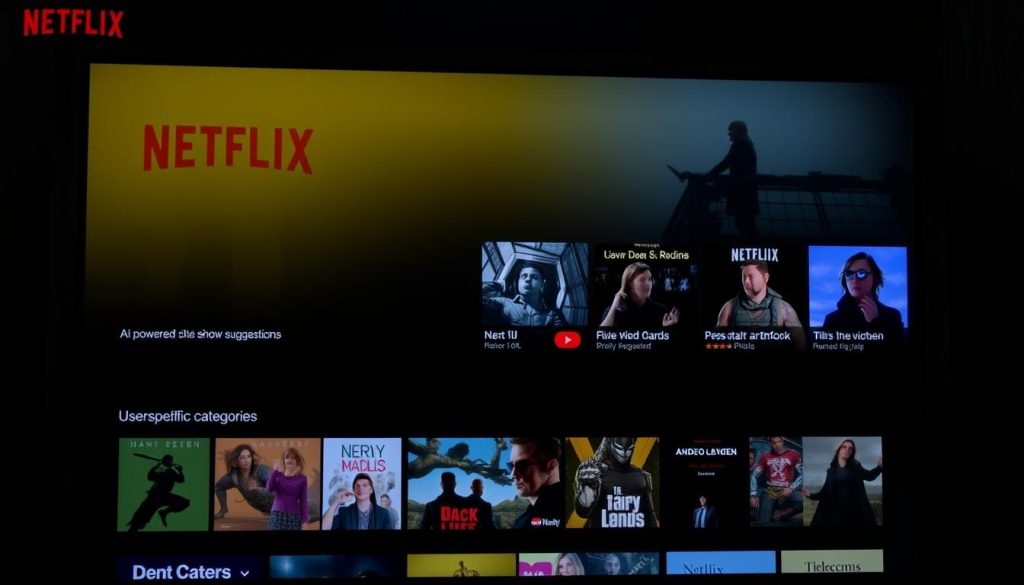
Netflix has revolutionized content recommendation through sophisticated AI algorithms that analyze viewing habits, preferences, and behaviors across its massive user base.
The Challenge
With thousands of titles in its library, Netflix needed to help users discover relevant content quickly to maintain engagement and reduce churn.
The AI Solution
Netflix implemented a multi-faceted AI approach:
- Personalized recommendation algorithms that analyze viewing history, ratings, time of day, devices, and viewing duration
- Dynamic image selection that customizes thumbnail artwork based on user preferences
- Personalized categories that adapt to individual viewing patterns
- Content clustering that identifies nuanced similarities between shows and movies
The Results
- 80% of viewer activity influenced by recommendations
- Estimated $1 billion annual value from reduced churn
- Increased viewer satisfaction and engagement
- More effective content investment decisions
“We estimate that our recommendation system saves Netflix more than $1 billion per year through reduced churn.”

Case Study 2: Sephora’s AI-Powered Virtual Artist
Beauty retailer Sephora has transformed the online shopping experience with its Virtual Artist tool, which uses AI and augmented reality to let customers “try on” products virtually.
The Challenge
Sephora needed to overcome the inherent limitation of online beauty shopping: customers’ inability to test products before purchasing.
The AI Solution
Sephora developed a sophisticated AI system that:
- Uses facial recognition to map a customer’s facial features
- Applies virtual makeup products in real-time
- Recommends products based on skin tone, preferences, and past purchases
- Provides step-by-step tutorials personalized to the user
The Results
- 11% increase in basket size for users of the Virtual Artist
- Significant reduction in product returns
- Enhanced customer engagement with average session times increasing by 20%
- Expanded reach to customers unable to visit physical stores

Case Study 3: Starbucks’ Deep Brew AI Initiative
Starbucks has embraced AI through its Deep Brew initiative, which powers personalized marketing, inventory management, and store operations.
The Challenge
Starbucks sought to deliver truly personalized experiences to millions of customers while optimizing operations across thousands of locations.
The AI Solution
Starbucks implemented a comprehensive AI strategy:
- Personalized recommendations in the mobile app based on purchase history, time of day, weather, and location
- Dynamic pricing and promotion offers tailored to individual customers
- Predictive inventory management to reduce waste and stockouts
- Automated equipment maintenance scheduling based on usage patterns
The Results
- 3x increase in customer response rates to personalized offers
- 15% increase in spend per visit for app users
- Reduced inventory waste by 15%
- Improved operational efficiency across stores
“Deep Brew will increasingly power our personalization engine, optimize store labor allocations, and drive inventory management in our stores.”
Implement AI Success Stories in Your Business
Learn how to adapt these proven AI strategies for your specific industry and business size with our detailed implementation guide.
Ethical Considerations and Future Predictions
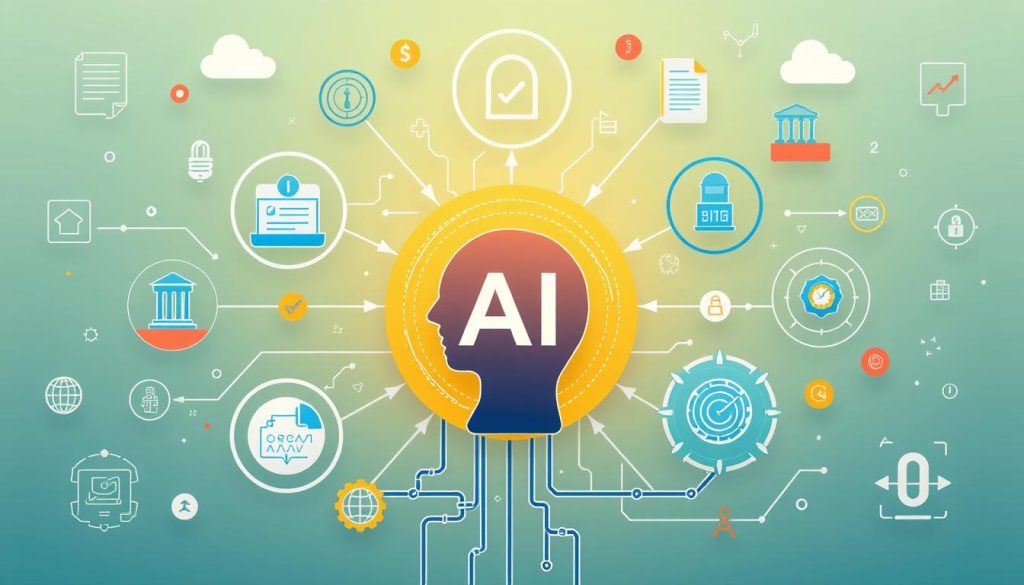
As AI becomes increasingly integrated into digital marketing strategies, it’s essential to consider the ethical implications and prepare for future developments in this rapidly evolving field.
Key Ethical Considerations in AI Marketing
Ethical Approaches
- Transparent data collection with clear opt-in processes
- Explainable AI systems that marketers can understand and audit
- Human oversight of AI-generated content and recommendations
- Regular bias audits and corrections
- Responsible use of persuasive technologies
Ethical Concerns
- Data privacy violations and security vulnerabilities
- Algorithmic bias reinforcing stereotypes or discrimination
- Lack of transparency in how AI makes decisions
- Over-personalization creating “filter bubbles”
- Job displacement concerns in marketing departments
Data Privacy Best Practices
- Implement a comprehensive data governance framework
- Collect only the data necessary for your marketing objectives
- Provide clear, accessible privacy policies
- Offer customers control over their data
- Regularly audit data usage and security measures
Future Predictions for AI in Digital Marketing
Near-Term (1-2 Years)
- Wider adoption of AI content creation tools with improved quality
- More sophisticated voice search optimization
- Enhanced predictive analytics for customer behavior
- Greater integration of AI across marketing platforms
- Improved personalization capabilities
Mid-Term (3-5 Years)
- AI-driven autonomous marketing campaigns
- Advanced emotional intelligence in customer interactions
- Seamless omnichannel experiences powered by AI
- Widespread adoption of augmented reality marketing
- More sophisticated content personalization
Long-Term (5+ Years)
- Fully autonomous marketing systems
- Hyper-personalization based on neural patterns
- Integration with emerging technologies (e.g., brain-computer interfaces)
- AI marketing ethics becoming a regulated field
- New marketing roles focused on AI oversight
Balancing AI and Human Creativity
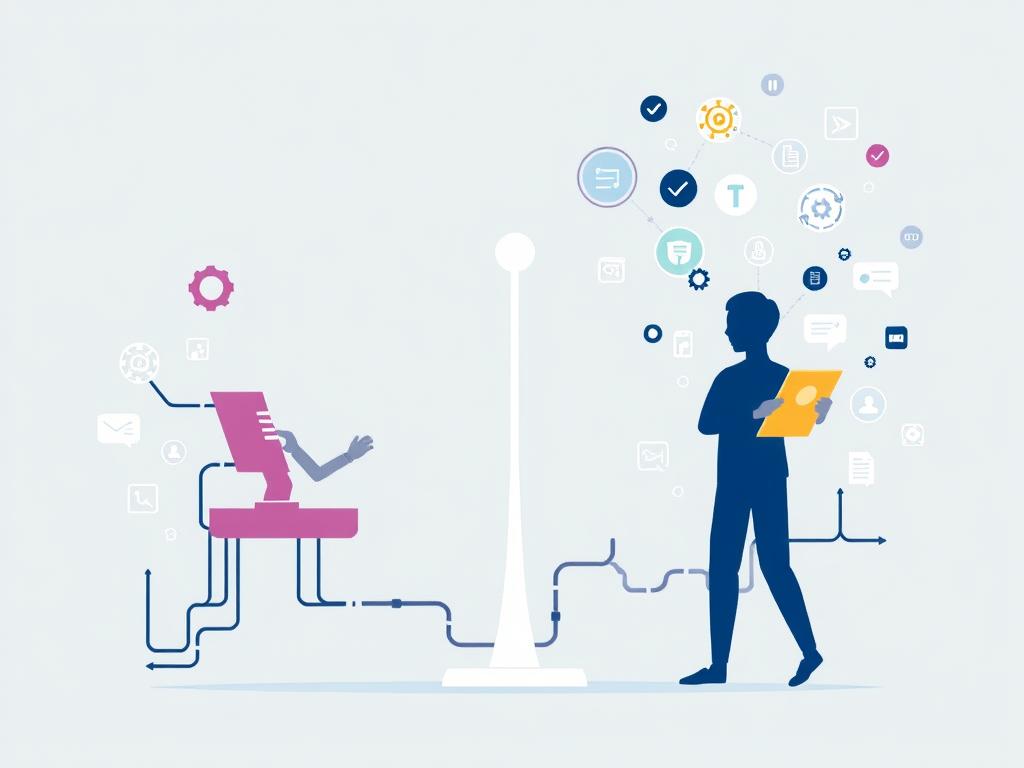
The most successful AI marketing implementations maintain a careful balance between technological capabilities and human creativity. While AI excels at data processing, pattern recognition, and scaling operations, human marketers bring creativity, emotional intelligence, ethical judgment, and strategic thinking.
The future of marketing isn’t about AI replacing humans but about creating powerful human-AI partnerships where each contributes their unique strengths. Organizations that understand this complementary relationship will achieve the best results.
“AI won’t replace marketers, but marketers who use AI will replace those who don’t.”
Implementing AI in Your Digital Marketing Strategy
Successfully integrating AI into your marketing operations requires a thoughtful, strategic approach. Here’s a practical framework for implementation:
1. Assessment & Planning

- Audit your current marketing processes to identify opportunities for AI enhancement
- Define clear objectives and KPIs for your AI implementation
- Assess your data quality, availability, and governance
- Evaluate your team’s AI readiness and skill gaps
- Develop a phased implementation roadmap
2. Tool Selection & Integration
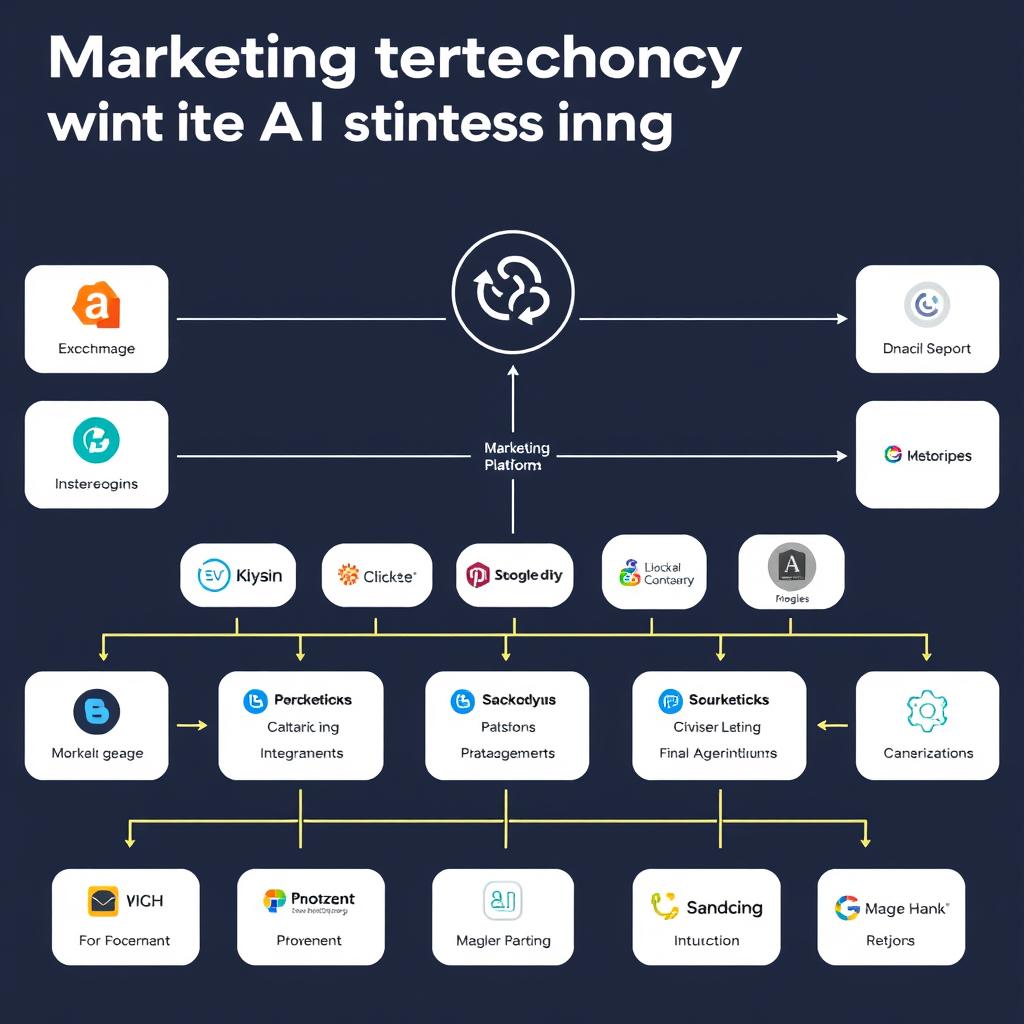
- Research AI tools that align with your specific objectives
- Start with one high-impact use case as a pilot project
- Ensure selected tools integrate with your existing tech stack
- Implement proper data security and privacy measures
- Develop clear processes for AI oversight and quality control
3. Measurement & Optimization
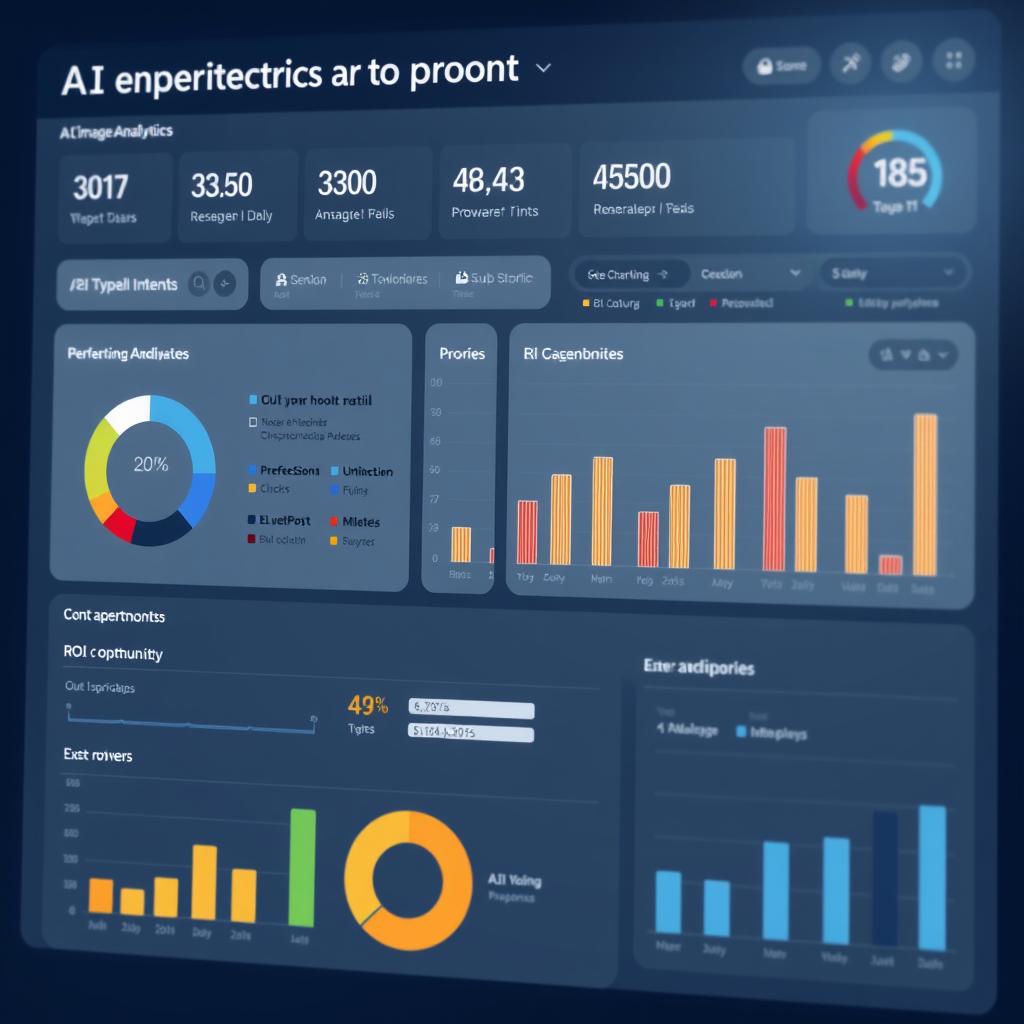
- Establish baseline metrics before implementation
- Track both AI performance and business impact metrics
- Continuously test and refine AI models and applications
- Gather user feedback from both customers and internal teams
- Scale successful implementations across other marketing functions
Start Small, Scale Strategically
The most successful AI implementations begin with focused use cases that address specific pain points or opportunities. This approach allows you to demonstrate value quickly, learn from the implementation process, and build organizational confidence before expanding to more complex applications.
Common Implementation Challenges and Solutions
How do we ensure data quality for AI implementation?
Poor data quality is one of the biggest barriers to effective AI. Implement a data governance framework that includes regular audits, cleaning processes, and quality standards. Consider starting with a data assessment to identify and address issues before implementing AI tools.
How can we address skill gaps in our marketing team?
Develop a multi-faceted approach to building AI capabilities: provide training for existing team members, hire specialists for complex implementations, and partner with external experts when needed. Many AI tools now offer user-friendly interfaces that require less technical expertise.
How do we measure the ROI of our AI marketing investments?
Establish clear metrics tied to business outcomes, not just AI performance. These might include efficiency gains (time saved, increased output), effectiveness improvements (conversion rates, engagement metrics), and financial impact (revenue growth, cost reduction). Compare these against your baseline measurements from before implementation.
Ready to Transform Your Marketing with AI?
Our comprehensive AI Digital Marketing Implementation Guide provides step-by-step instructions, templates, and frameworks to help you successfully integrate AI into your marketing strategy.
Conclusion: The Future of AI in Digital Marketing
AI is fundamentally transforming digital marketing, creating new possibilities for personalization, efficiency, and effectiveness. As we’ve explored throughout this article, successful implementation requires a strategic approach that balances technological capabilities with human creativity and ethical considerations.
The organizations that will thrive in this new landscape are those that view AI not as a replacement for human marketers but as a powerful tool that amplifies their capabilities. By starting with clear objectives, implementing thoughtfully, and continuously learning and adapting, you can harness the power of AI to create more meaningful connections with your audience and drive superior marketing results.
As AI technology continues to evolve at a rapid pace, staying informed and adaptable will be key. The future belongs to marketers who embrace these powerful tools while maintaining the human creativity, strategic thinking, and ethical judgment that remain essential to truly effective marketing.